Table of Contents (15 sections)
Embarking on DIY home fixes can be both exciting and rewarding. However, many enthusiasts fall prey to common pitfalls that can lead to subpar results or even costly repairs. In this article, we will explore ten common DIY home repair mistakes and offer practical advice on how to avoid them. By understanding these mistakes, you can save time, money, and frustration while enhancing your home's functionality and aesthetics.
1. Skipping the Planning Phase
A common mistake among DIYers is diving into projects without sufficient planning. It’s crucial to assess your needs, set a budget, and gather all necessary materials before starting any repair work. According to a survey by UFC-Que Choisir, planning can save up to 30% on project costs compared to reactive, unplanned repairs. Take the time to draw up your plans and potentially consult online resources or community forums for insights.
2. Overlooking Safety Precautions
Neglecting safety measures can turn a fun DIY project into a dangerous endeavor. Always wear appropriate safety gear, like gloves and goggles, and ensure your workspace is free from hazards. According to data from the Healthcare Cost and Utilization Project, thousands of injuries occur annually due to DIY mishaps. It’s better to prioritize safety than regret a rushed approach. Make sure you know the risks involved with any tools or materials you are using and prepare accordingly.
Modern Home Fixes Travel Tableware Set Wheat Straw Camping Cutlery Detachable Dinnerware dark Green
inspireuplift.com

Kadyn - Fabric Home Office Chair with Rocking Backres- Home Office Computer Desk Chair, Small Office Chair - Gray
bestbuy.com

Kadyn - Big & Tall 400lb PU Leather Massage Office Chair- Home Office Computer Desk Chair, Small Office Chair - Black
bestbuy.com
3. Using the Wrong Tools
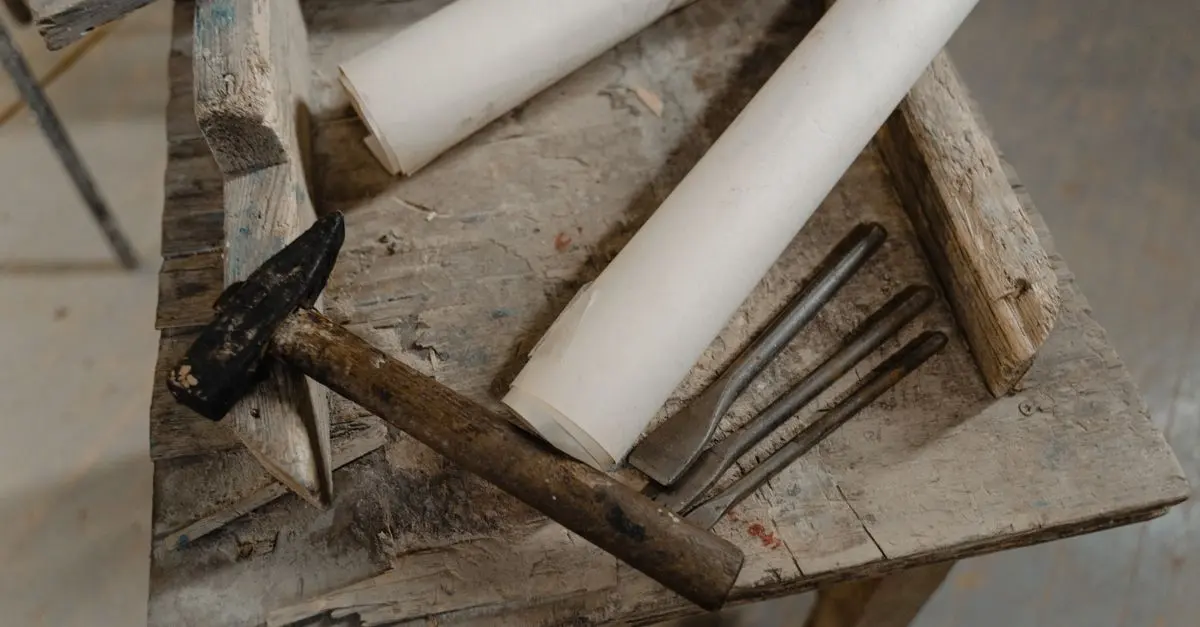
One of the most frequent errors DIYers make is trying to complete a job with improper tools. Using the wrong equipment can cause damage or lead to unsafe practices. For instance, using a hammer instead of a proper stud finder can result in unnecessary wall damage. Instead, invest in a quality toolset or rent tools that are specific to your project. This not only enhances your efficiency but ensures a professional finish.
4. Ignoring Instructions
Whether it's a new appliance or a DIY project, it’s essential to follow the manufacturer's instructions. Skipping detailed steps can lead to mistakes, such as improper installations or even damage to your property. A Consumer Reports study noted that following guidelines can reduce errors significantly. Before beginning, take the time to read through all instructions carefully and keep them handy during the process.
5. Underestimating Costs
Many DIYers fall into the trap of underestimating project costs. From materials to tools and even disposal fees, expenses can quickly add up. A Brookings Institution report revealed that more than 70% of DIY projects exceed initial budget estimates. To prevent financial surprises, create a detailed budget factoring in all possible expenses and include a buffer for unexpected costs.
6. Neglecting to Measure
“Measure twice, cut once” is more than just an adage; it’s a crucial step in DIY repairs. Failing to measure properly can lead to purchasing incorrect sizes or ruining materials. According to INSEE, measuring errors contribute to a significant percentage of home improvement waste. Before buying materials, always double-check your measurements and ensure that any cutting or modifications are done cautiously.

Hivvago 8 Lbs Compact Mini Twin Tub Washing Spiner Machine for Home and Apartment
shop.simon.com

eKids - Paw Patrol Chase Wired Headphones for Kids, Children’s Headphones for School, Home, or Travel - Blue
bestbuy.com

eKids - IF Bluetooth Headphones for Kids, Wireless Headphones for School, Home, or Travel - Purple
bestbuy.com
7. Overconfidence in Skills
While confidence is important, overestimating one's ability can lead to substantial problems. Taking on projects beyond your skill level can result in damage and frustration. A National Association of Realtors survey found that more than 50% of home repair projects were finished by hiring professionals after initial DIY efforts failed. Be honest with your skill set; if a job feels overwhelming, it's best to seek help from a professional.
8. Rushing the Process
Impatience is a key adversary in DIY projects. Many beginners rush their tasks, leading to poor quality results. It's not uncommon for rushed repairs to require rework, ultimately costing more time and money. According to an analysis by HomeAdvisor, projects take 40% longer when not approached methodically. Take the time to enjoy the journey and focus on achieving quality results rather than speed.
9. Not Adhering to Local Regulations
Every community has specific building codes and regulations that must be followed. Failing to secure the necessary permits or not complying with local standards can lead to legal issues or the need for costly corrections. Check with your local government or building authority to understand what is required for your project. Adhering to these regulations not only guarantees safety but also contributes to the longevity of your repairs.
10. Ignoring Cleanup
The final step in any DIY project involves cleaning up afterward. Many DIYers overlook this part, which can lead to further issues, such as damaging tools or surfaces with leftover materials. Moreover, a cluttered workspace can lead to accidents. Establish a cleanup protocol as part of your DIY routine, ensuring that you dispose of scraps properly and return tools to their designated places.
🧠 Quiz rapide :
> What’s the best method to ensure you’re following safety precautions during DIY repairs?
> - A) Skirl your favorite song while working
> - B) To work with friends
> - C) Always wear appropriate safety gear
> Réponse : C — Always ensure you’re equipped with the necessary safety gear!
Checklist before starting your DIY project
- [ ] Plan your project thoroughly
- [ ] Ensure all safety gear is in place
- [ ] Gather all required tools
- [ ] Measure dimensions accurately
- [ ] Budget realistically, including extra costs
- [ ] Review instructions carefully
- [ ] Know your skill limits
- [ ] Verify local regulations
- [ ] Establish a cleanup plan
Glossaire
| Terme | Définition |
|---|---|
| DIY | Do It Yourself, refers to the practice of creating or repairing things on your own. |
| Building codes | Regulations set by local governments to ensure safety and compliance during construction and repairs. |
| Permits | Official approvals required to carry out construction or renovation tasks according to the law. |
📺 Ressource Vidéo
[How to Avoid Common DIY Mistakes], an informative guide on essential precautions and techniques. Search on YouTube: "common DIY home repair mistakes 2026".
📺 Pour aller plus loin : common DIY home repair mistakes 2026 sur YouTube
Recommended products
Selected by our experts

Homewerks 1/2 in. MPT X 3/4 in. MHT Brass Dual Washing Machine Shut-Off Valve
acehardware.com

Gymax Compact Portable Washing Machine Twin Tub 20 lbs Washer Spinner Home Dorm
bestbuy.com

Hivvago 8 Lbs Compact Mini Twin Tub Washing Spiner Machine for Home and Apartment
shop.simon.com