Table of Contents (15 sections)
Introduction
In recent years, the demand for sustainable living practices has soared, and 2026 is no exception. Eco-friendly home improvements not only help reduce your carbon footprint but also enhance your home's value. Let's dive into the current trends and what the future holds for eco-friendly home improvements.
Smart Home Energy Solutions
Smart home technology has come a long way, playing a pivotal role in energy savings. Devices like smart thermostats and energy-efficient appliances are now standard in eco-friendly homes. According to a report by the International Energy Agency, smart homes can reduce energy consumption by up to 30% Source: IEA. The integration of smart grids allows for real-time energy management, optimizing energy use based on supply and demand.
Advantages
These technologies allow homeowners to monitor energy usage remotely, making energy-efficient decisions easier. Plus, with AI-driven enhancements, these systems learn user behaviors, tailoring energy use to specific needs.
💡 Avis d'expert: In today's fast-paced world, adopting smart energy solutions is not just a luxury but a necessity for sustainable living.

Sustainable Building Materials
In 2026, sustainable building materials are in high demand due to their environmental benefits and durability. Bamboo flooring, recycled steel, and reclaimed wood are a few examples that not only enhance aesthetics but are also eco-friendly.
Why Are They Important?
These materials often have a lower carbon footprint compared to conventional ones. For instance, bamboo grows quickly and can be harvested without destroying the plant, unlike traditional hardwoods. According to the Green Building Council, using sustainable materials can reduce CO2 emissions by up to 40% during construction Source: Green Building Council.
💡 Avis d'expert: Opting for sustainable materials is a win-win: it conserves natural resources and cuts down on waste, all while increasing property value.
Water Conservation Innovations
Water conservation remains a top priority in 2026, with innovations designed to reduce water waste more efficiently than ever. Aerated faucets, dual-flush toilets, and rainwater harvesting systems are becoming commonplace.
Concrete Examples
Modern water-saving systems can reduce household water use by 15% or more, according to the Environmental Protection Agency Source: EPA. Innovations like greywater recycling systems reuse water from sinks and showers, providing resourceful ways to cut back on water waste.
💡 Avis d'expert: Implementing water conservation innovations in your home contributes to environmental sustainability and can significantly lower utility bills.
Solar Power Advancements
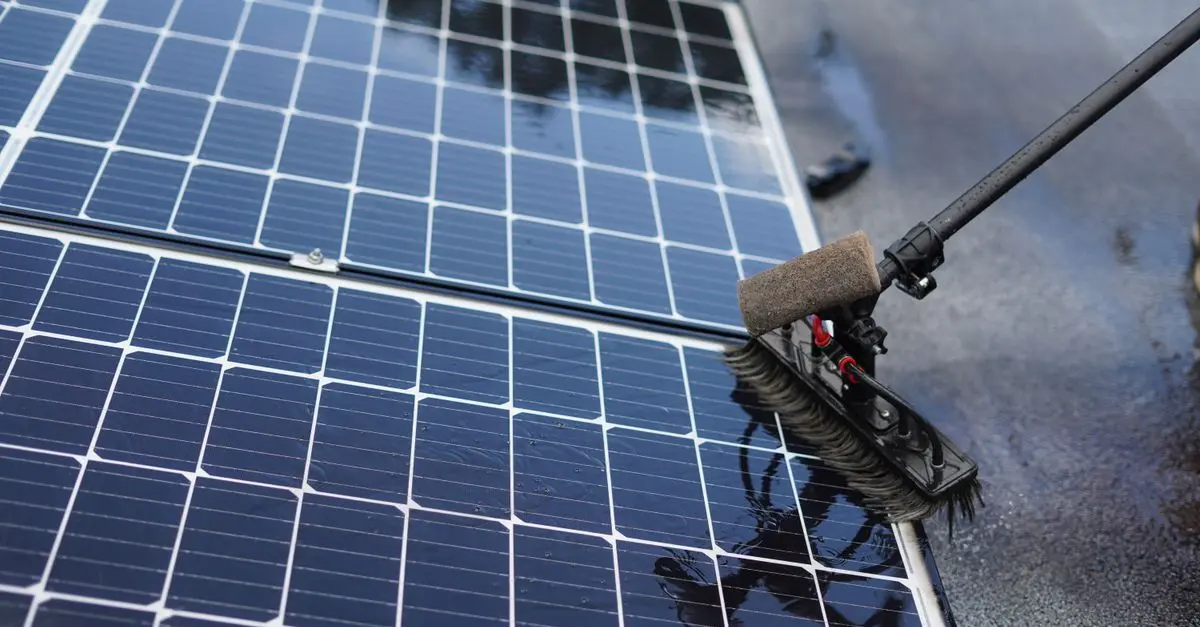
The push for solar energy is stronger than ever, with advancements in photovoltaic technology making solar panels more efficient and accessible. In 2026, even urban homes are tuning into solar power as panel designs incorporate aesthetic appeal.
The Significance
As per Solar Energy Industries Association, solar panel systems can reduce electricity bills by up to 70% Source: SEIA. With improved battery storage, solar power can even be utilized at night, providing energy autonomy.
💡 Avis d'expert: Investing in solar energy is a forward-thinking decision that offers financial savings and reduces dependency on non-renewable resources.
Eco-Friendly Insulation
Eco-friendly insulation materials, such as sheep's wool and cellulose insulation made from recycled paper, are gaining traction. These materials not only insulate effectively but also reduce energy consumption.
Why Choose Eco-Friendly Insulation?
They provide superior temperature regulation, lowering energy costs by maintaining consistent indoor temperatures. According to data from Energy Star, homes with eco-friendly insulation experience up to 50% reduced energy loss Source: Energy Star.
💡 Avis d'expert: Insulating with sustainable materials is a step toward reducing your home's carbon footprint while improving comfort year-round.
Conclusion
By embracing eco-friendly home improvements, you're not only contributing to a healthier planet but also enhancing your quality of life and saving money in the long run. Start with a simple upgrade and expand as you experience the benefits firsthand.
Glossary
| Term | Definition |
|---|---|
| Photovoltaic | A method of converting sunlight into electricity using solar cells |
| Greywater Recycling | The process of reusing water from baths, sinks, and washing machines |
Checklist Before Purchase
- Consider the energy savings each improvement will offer.
- Evaluate the long-term cost benefits compared to initial investment.
- Research local government incentives for energy-efficient upgrades.
🧠 Quiz rapide: What is the primary benefit of eco-friendly insulation?
- A) Enhanced durability
- B) Energy waste reduction
- C) Aesthetic appeal
Réponse : B — Energy waste reduction by maintaining consistent temperatures.
Recommended products
Selected by our experts