Table of Contents (15 sections)
Creating a budget-friendly DIY home repair plan can save you money and empower you with valuable skills. In 2026, many homeowners are turning to DIY home fixes as a practical way to manage maintenance without breaking the bank. This guide will walk you through the process of devising a plan that suits your needs and budget, ensuring that your living space remains inviting and functional.
Understanding the Importance of DIY Home Fixes
DIY home fixes refer to the practice of handling repairs and maintenance tasks yourself instead of hiring professionals. This not only helps you save money but also gives you a sense of accomplishment. According to a survey conducted by HomeAdvisor, more than 70% of homeowners have taken on DIY projects to save costs. In addition, learning how to make basic repairs helps in understanding your home's systems and can prevent minor issues from becoming significant problems. As we embrace sustainability, it's beneficial to use resources efficiently, which these DIY projects enable.
Benefits of a DIY Approach
- Cost Savings: Hiring professionals can be expensive. DIY activities help minimize these expenses.
- Learning Experience: You gain hands-on experience, enhancing your skill set and confidence in handling future repairs.
- Home Customization: DIY allows for personal touch in repairs or upgrades tailored specifically to your personal taste and needs.
- Empowerment: Successfully completing tasks can increase your confidence and motivate you to tackle larger projects.
Step-by-Step DIY Home Repair Plan
Creating a DIY home repair plan involves several steps. Each stage focuses on assessing your needs, executing repairs, and maintaining your home effectively. Follow this structured approach to ensure your repairs are both planned and budget-friendly.
Step 1: Assessing the Needs of Your Home
Start by walking through your home, making a list of visible damages or areas that need improvement. Look for:
- Cracks in walls or ceilings
- Leaking faucets or showers
- Issues with windows or doors
- Broken tiles or flooring
- Electrical or plumbing concerns
It’s essential to prioritize these repairs. Distinguishing between urgent repairs that could lead to more significant issues and minor cosmetic concerns is crucial. For example, a leaking roof could lead to structural damage, so addressing that should be on top of your to-do list.
Step 2: Estimating Costs and Budgeting
Once you have your list, research the potential costs associated with materials and tools you may need for each repair. Utilize local hardware stores for quotes or online resources for pricing information. According to data from U.S. News, setting a budget not only controls expenses but also reduces stress during the repair process. Aim to overestimate your budget slightly to account for any unexpected costs.
Step 3: Research Necessary Repairs
Before diving into projects, spend some time researching how to execute each repair correctly. Online tutorials, forums, video guides, and blogs can provide valuable insight. Check out resources on platforms such as YouTube or DIY websites to watch step-by-step processes for various home repairs. These resources equip you with useful tips, tools needed, time estimates, and common pitfalls to avoid.
Step 4: Gathering Tools and Materials
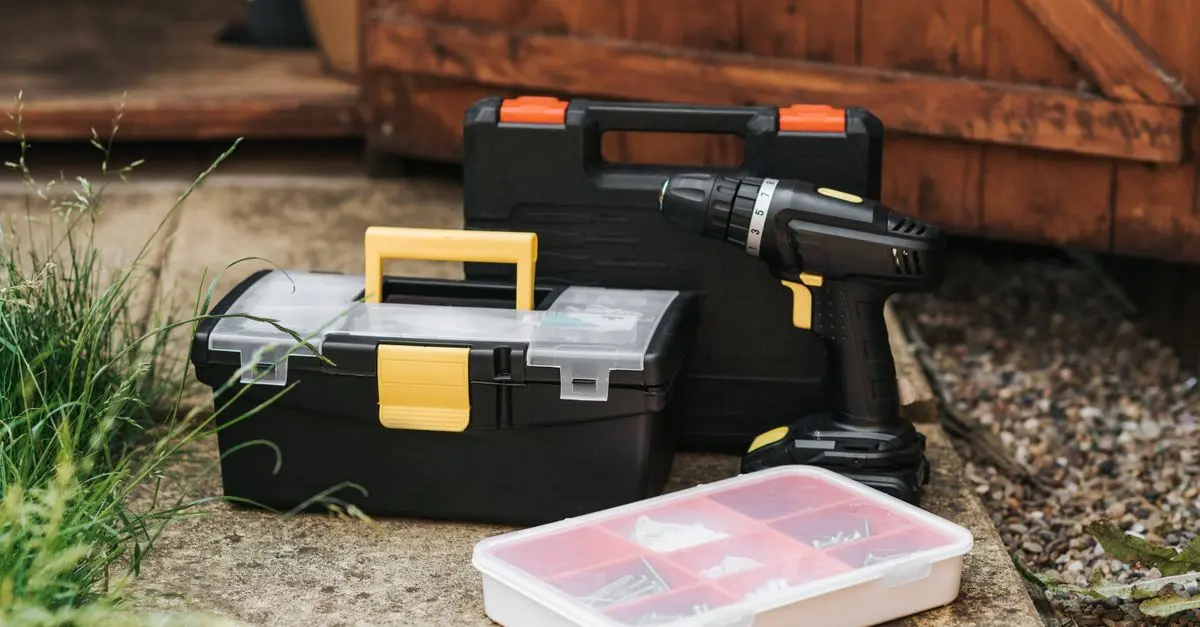
Make a list of tools and materials needed for your repairs. Common DIY essentials include:
- Hammers, screwdrivers, and pliers
- Paintbrushes and rollers
- Sealants, nails, and screws
- Safety gear like gloves and goggles
Consider borrowing tools from friends or neighbors for more expensive items you need only temporarily, which can further help in keeping costs low.
Step 5: Implementing the Repairs
Now, you’re ready to implement the repairs. Tackle one project at a time to avoid feeling overwhelmed. Begin with straightforward tasks, such as patching holes in drywall or fixing leaky faucets. Document your process with pictures; this not only helps in tracking your progress but becomes handy if you need to refer back to what has been done in the future.
Step 6: Maintenance and Follow-up
After completing your repairs, continue to monitor those areas. Routine checks every few months can help catch any new issues before they escalate. Keeping a maintenance log helps track your repairs and improvements easily. According to the National Association of Realtors, visually maintaining your property can increase its market value significantly. Regular upkeep is essential to preserving that value.
Modern Home Fixes Travel Tableware Set Wheat Straw Camping Cutlery Detachable Dinnerware dark Green
inspireuplift.com

Kadyn - Fabric Home Office Chair with Rocking Backres- Home Office Computer Desk Chair, Small Office Chair - Gray
bestbuy.com

Kadyn - Big & Tall 400lb PU Leather Massage Office Chair- Home Office Computer Desk Chair, Small Office Chair - Black
bestbuy.com
Comparison of DIY vs. Professional Repairs
Understanding the differences between DIY repairs and hiring professionals can further aid your planning. Here’s a comparative breakdown:
| Criteria | DIY Repairs | Professional Repairs | Verdict |
|---|---|---|---|
| Cost | Lower | Higher | Choose DIY for savings |
| Time | Variable | Usually quicker | Consider time constraints |
| Skill Level | Basic needed | Expertise required | DIY if confident; professional if not |
| Risk of Error | Higher | Lower | Professional for complex issues |
Glossary
| Term | Definition |
|---|---|
| Home Repair | Activities to maintain, restore, or improve a home. |
| DIY (Do It Yourself) | The practice of creating, building, or repairing things on your own. |
| Maintenance Log | A documented record of repairs and maintenance activities on a property. |
Checklist before Buying
- [ ] Assess damages needing repair
- [ ] Research repair techniques
- [ ] Set a realistic budget
- [ ] Gather necessary tools and materials
- [ ] Document the repair process
Feel empowered and accomplish your home repairs with confidence with this DIY home repair plan. For all your projects, discover our recommendations below to assist you in achieving the best results.
📺 Pour aller plus loin : DIY plumbing 2026 basics sur YouTube
Recommended products
Selected by our experts

Homewerks 1/2 in. MPT X 3/4 in. MHT Brass Dual Washing Machine Shut-Off Valve
acehardware.com

Gymax Compact Portable Washing Machine Twin Tub 20 lbs Washer Spinner Home Dorm
bestbuy.com

Hivvago 8 Lbs Compact Mini Twin Tub Washing Spiner Machine for Home and Apartment
shop.simon.com