Table of Contents (23 sections)
Maintaining your home can feel overwhelming, but it doesn’t have to be. One effective method to combat this is by creating a DIY home maintenance schedule. This schedule allows homeowners to keep track of essential tasks that ensure the longevity and efficiency of their homes. Regular maintenance helps avoid costly repairs down the line and promotes a safe living environment. In this guide, we will walk you through the steps necessary to create an effective DIY home maintenance schedule tailored to your needs.
1. Define Your Home Maintenance Tasks
Before you can create a schedule, it's vital to understand what tasks need to be done regularly. Take a walk around your home and list all the potential maintenance tasks.
Identify Monthly, Quarterly, Biannual, and Annual Tasks
- Monthly Tasks: These could include changing HVAC filters, checking smoke detector batteries, and cleaning gutters. According to the U.S. Fire Administration, having functional smoke detectors can double the chances of surviving a fire.
- Quarterly Tasks: Every three months, clean and inspect appliances, such as the refrigerator coils and dryer vents, which can help reduce energy consumption.
- Biannual Tasks: This may involve tasks like checking the water heater for leaks and flushing the hot water tank—recommended to be done twice a year by many experts.
- Annual Tasks: These could include deep cleaning carpets, servicing HVAC units, and inspecting the roof for any wear and tear.
Tips for Task Selection
- Consult handy reference guides from organizations like HomeAdvisor or UFC-Que Choisir to discover common tasks you might overlook.
- Additionally, review any warranties for appliances that might require specific maintenance tasks for continued coverage.
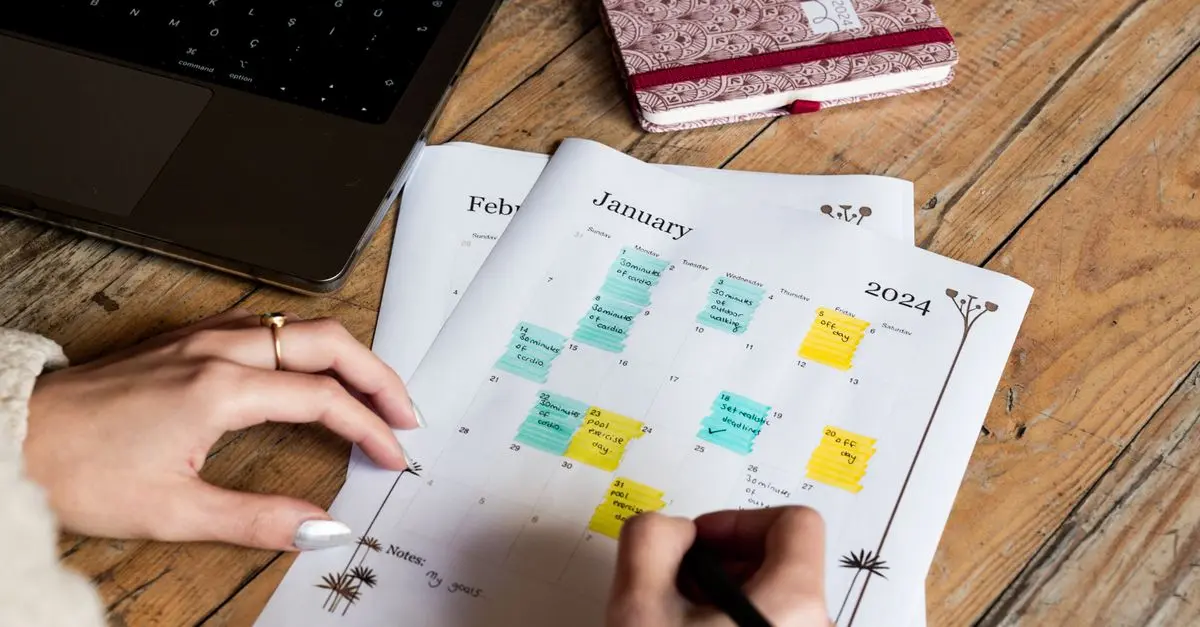
2. Set Up a Calendar System
Once you have a comprehensive list of tasks, it’s time to set up a calendar system that works for you.
Digital vs. Physical Calendar
- Digital Calendar: Using applications like Google Calendar or specific home maintenance apps can send reminders directly to your phone, making it hard to forget your tasks.
- Physical Calendar: If you're more traditional, a physical planner can be dedicated solely to your home maintenance schedule.
Creating Alerts and Reminders
Make sure to set reminders a week in advance so you won’t forget. This is especially important for seasonal tasks like gutter cleaning in the spring and lawn care in the summer.
Modern Home Fixes Travel Tableware Set Wheat Straw Camping Cutlery Detachable Dinnerware dark Green
inspireuplift.com

eKids - IF Bluetooth Headphones for Kids, Wireless Headphones for School, Home, or Travel - Purple
bestbuy.com

Kadyn - Fabric Home Office Chair with Rocking Backres- Home Office Computer Desk Chair, Small Office Chair - Gray
bestbuy.com
3. Allocate Time Slots
Establishing when you will perform each task is crucial for maintaining consistency.
Assess Task Duration
- Identify realistic time slots you can dedicate each month or season based on task complexity. For example, changing furnace filters might only take 10 minutes, while gutters could take an hour.
- Combine Related Tasks: Always look for opportunities to combine related tasks into one time slot. For instance, while cleaning gutters, you might also notice window screens that need cleaning, saving you time overall.
Be Flexible and Adjust
Your initial schedule is not set in stone. Life happens; be prepared to adjust your maintenance tasks as needed. If you find a task takes longer than expected, don't hesitate to shift things around.
4. Keep Track of Completed Tasks
A maintenance schedule is not just a to-do list—tracking what you've accomplished will help inform future schedules and keep your home running efficiently.
Use a Spreadsheet or App
Create a digital log where you can input completed tasks along with dates. This will note when inspections were done and permit for easy tracking of warranties or expiry dates related to appliances.
- Alternatively, there are several home maintenance apps that can assist with tracking and provide alerts for upcoming tasks.
Benefits of Logging Progress
Logging progress enhances accountability and provides a sense of satisfaction when you see tasks marked off. Moreover, should you decide to sell your house, this log will serve as proof of your maintenance diligence.
5. Involve Household Members
Encourage everyone in your household to take part in maintenance activities. Creating a sense of teamwork can make the upkeep less burdensome.
Assign Roles and Responsibilities
Let everyone take ownership of specific tasks based on their skills and availability. For example, children can help with yard work while one adult does a deeper inspection of mechanical systems.
Make It Fun
Transform maintenance tasks into a fun weekend project. With the right attitude, you could make cleaning gutters, for example, a family bonding experience rather than just another chore.
6. Review and Revise Your Schedule Regularly
An effective maintenance schedule should evolve over time as your home ages or as your needs change.
Regular Check-ins
Set aside time at least twice a year to review your maintenance log and assess areas needing adjustments. You might find that some tasks need to be added, while others may not require as frequent attention.
- Incorporating feedback from household members can also enhance the efficacy of the schedule.
Expert Insights
Regularly revise with insights from experts or updated tips found in home maintenance blogs. Information from sites like 60 Millions de Consommateurs can offer new innovative solutions or trends to keep your schedule efficient and effective.

Kadyn - Big & Tall 400lb PU Leather Massage Office Chair- Home Office Computer Desk Chair, Small Office Chair - Black
bestbuy.com

Hivvago 8 Lbs Compact Mini Twin Tub Washing Spiner Machine for Home and Apartment
shop.simon.com

eKids - Paw Patrol Chase Wired Headphones for Kids, Children’s Headphones for School, Home, or Travel - Blue
bestbuy.com
Checklist before Implementation
- [ ] List down all the maintenance tasks around the house.
- [ ] Define how often each task should be done (monthly, quarterly, etc.).
- [ ] Choose a digital or physical calendar to organize tasks.
- [ ] Allocate time slots for when tasks will be done.
- [ ] Track completed tasks for growth.
- [ ] Involve all family members in the plan.
- [ ] Review and revise your schedule periodically.
Conclusion
Creating a DIY home maintenance schedule doesn’t just improve the longevity of your home; it fosters a sense of community and care within your household. By following these steps, you will have a comprehensive organization that empowers each family member to contribute to a well-maintained home.
Glossaire
| Terme | Définition |
|---|---|
| Maintenance préventive | Action visant à prévenir les pannes par un entretien régulier de l'équipement et des installations. |
| Tâches récurrentes | Activités qui doivent être effectuées à intervalles réguliers, comme le nettoyage ou les vérifications. |
| Audit ménager | Inspection globale de la maison pour identifier les réparations et entretiens nécessaires.
📺 Pour aller plus loin : How to create an effective maintenance schedule, an analysis of home maintenance strategies. Search on YouTube: "DIY home maintenance schedule 2026".
Quiz rapide :
> 🧠 Quiz rapide : Quel est le meilleur moment pour vérifier la chaudière de votre maison ?
> - A) Avant l'hiver
> - B) Au début de l'été
> - C) Deux fois par an
> Réponse : A — Vérifier votre chaudière avant l'hiver garantit son bon fonctionnement pendant les mois froids.
📺 Pour aller plus loin : DIY home maintenance schedule 2026 sur YouTube
Recommended products
Selected by our experts

Homewerks 1/2 in. MPT X 3/4 in. MHT Brass Dual Washing Machine Shut-Off Valve
acehardware.com

Gymax Compact Portable Washing Machine Twin Tub 20 lbs Washer Spinner Home Dorm
bestbuy.com

Hivvago 8 Lbs Compact Mini Twin Tub Washing Spiner Machine for Home and Apartment
shop.simon.com