Table of Contents (25 sections)
Electricity is an essential component of modern life, providing us with the energy needed to power our homes and businesses. However, electrical issues can arise at any time, leading to inconveniences and safety hazards. In this article, we will explore common electrical problems you might encounter in your home and provide practical, step-by-step solutions to fix these issues yourself, thereby empowering you with knowledge and skills for DIY home fixes.
Understanding Common Electrical Issues
Before diving into the repairs, it's critical to understand the types of electrical issues that can occur. Common problems include: 1) tripped breakers, 2) flickering lights, 3) faulty outlets, and 4) burnt-out light bulbs. Addressing these issues can often be done without professional help.
1. Tripped Breakers
A tripped breaker is one of the most common electrical issues. This can happen when a circuit becomes overloaded, resulting in excessive current that in turn trips the breaker, cutting off the power to that circuit. To fix this, locate your circuit breaker panel, identify the tripped breaker (it will be in a different position than the others), and flip it back to the 'on' position.
💡 Expert Tip: If you find that a breaker trips repeatedly, consider the number of devices you have plugged into that circuit. You may need to redistribute some of the loads or even install a new circuit for high-demand appliances.
2. Flickering Lights
Flickering lights can range from an annoying issue to a significant safety hazard. This problem typically occurs due to loose wiring or incompatible bulbs. Start by checking your bulbs; make sure they are tightly secured and that you're using the correct wattage for your fixtures. If the problem persists, it's time to inspect your wiring. Turn off the power, then remove the light fixture to check for any loose connections.
3. Faulty Outlets
Outlets that don't work or are not providing power can be frustrating. First, check if the issue lies within the outlet or a larger problem in the circuit. Using a voltage tester, check whether the outlet is receiving power. If no power is detected, the issue may lie in the wiring behind the outlet. Ensure the power is off, and remove the outlet cover to inspect for any visible wiring issues.
4. Burnt-Out Light Bulbs
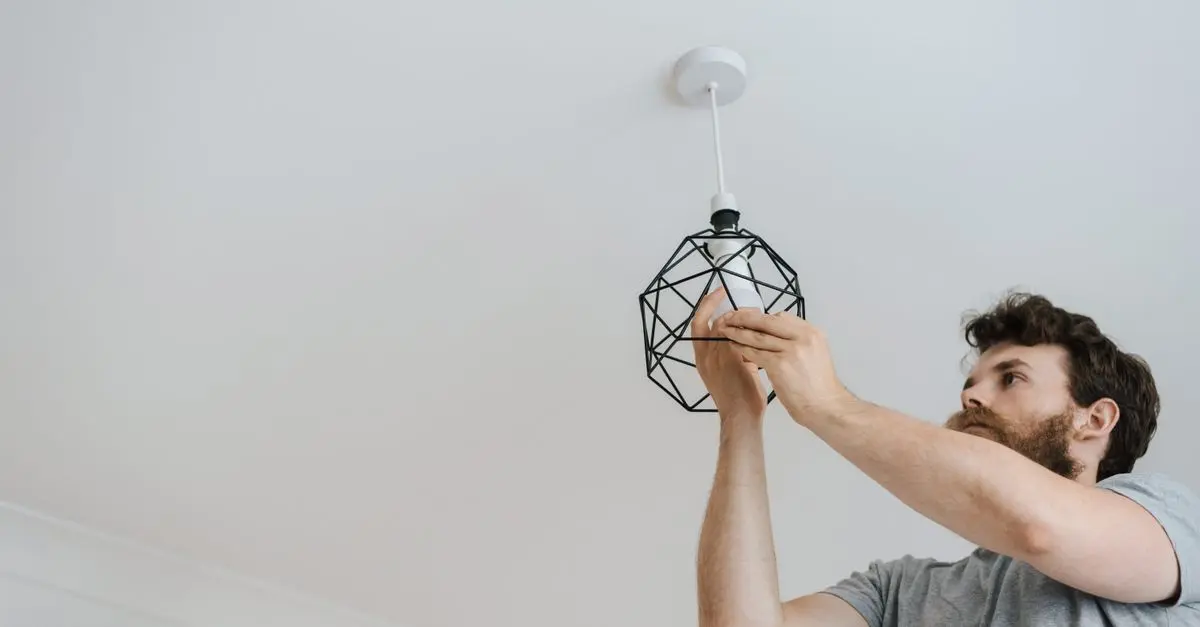
While this might seem trivial, burnt-out bulbs often go unnoticed until a room suddenly becomes dim or dark. Always ensure that you replace burnt-out bulbs with ones of the same wattage and type, and consider using LED bulbs for their energy efficiency and longer lifespan.
Step-by-Step Procedure for Common Repairs
Step 1: Gather Required Tools
Before beginning any electrical repair, gather essential tools like a voltage tester, screwdriver, pliers, and electrical tape. Using appropriate tools ensures safety and effectiveness in your repairs.
Step 2: Always Turn Off Power
Safety should be your top priority. Before starting any electrical work, turn off the power to the affected area at your breaker panel. This will prevent any risk of electric shock.
Step 3: Identify the Issue
Take the time to identify the specific issue you are facing. For example, if an outlet isn't working, check if other devices function correctly on the same circuit.
Step 4: Make Necessary Repairs
Depending on your diagnosis, proceed with repairs. This could involve replacing light bulbs, tightening connections in an outlet, or resetting a tripped breaker.
Step 5: Test Your Repairs
After making repairs, turn the power back on and test the fix. For outlets, plug in a device to check if it receives power. For lighting, check if everything functions smoothly.
Step 6: Keep Records
It's good practice to keep a record of any repairs made. This not only helps track your maintenance but can also be useful later if problems reoccur.

Maillot de bain maternité réversible 1 pièce coques fixes - multicolore Cache Coeur Maillot de Bain
3 Suisses FR

Maillot de bain de grossesse 1 pièce à coques fixes Violet Cache-Coeur Maillot de bain
3 Suisses FR
Maillot de bain de grossesse 1 pièce à coques fixes Violet Cache-Coeur Maillot de bain
3 Suisses FR
Comparisons of Common Electrical Fixes
| Issue | DIY Fix Approach | Safety Precautions | Tools Required |
|---|---|---|---|
| Tripped Breaker | Reset breaker | Ensure power is off | None |
| Flickering Lights | Tighten bulbs/check wiring | Power off, use voltage tester | Screwdriver, voltage tester |
| Faulty Outlets | Inspect/replace outlets | Avoid live wires, turn off power | Screwdriver, pliers |
| Burnt-Out Bulbs | Replace with correct bulbs | Ensure power is off | None |
Statistical Insights on Electrical Issues
According to data from UFC-Que Choisir, electrical issues account for approximately 20% of home maintenance problems reported by homeowners each year. More importantly, many of these issues could have been resolved through simple DIY fixes, potentially saving homeowners hundreds of dollars in repair costs.
📺 Resource Video
> 📺 For more in-depth repairs: Learn how to fix common electrical issues at home. Search YouTube for: "how to fix electrical problems at home 2026".
Frequently Asked Questions
Q1: How do I safely reset a tripped breaker?
A1: Turn off all appliances on the affected circuit, locate your breaker panel, switch the tripped breaker to the 'off' position, then back to 'on'.
Q2: What should I do if a light bulb keeps burning out?
A2: Check the wattage and ensure it is suitable for the fixture. If it continues to burn out, there could be an underlying wiring issue.
Q3: Can I replace an outlet myself?
A3: Yes, as long as you follow safety precautions and turn off the power; however, if you are unsure, consider calling a licensed electrician.
Q4: When should I call a professional?
A4: Call a professional if you encounter any signs of wiring damage, frequent tripping of breakers, or if you feel uncomfortable performing the repair yourself.

Maillot de bain de grossesse 1 pièce à coques fixes en fibres recyclées Multicolore Cache-Coeur Maillot de bain
3 Suisses FR
Maillot de bain de grossesse 1 pièce à coques fixes en fibres recyclées Multicolore Cache-Coeur Maillot de bain
3 Suisses FR
Maillot de bain de grossesse 1 pièce à coques fixes en fibres recyclées Multicolore Cache-Coeur Maillot de bain
3 Suisses FR
Glossary
| Term | Definition |
|---|---|
| Circuit Breaker | A safety device that automatically turns off electricity in case of an overload. |
| Voltage Tester | A tool used to check if an electrical circuit is live. |
| Outlets | Socket that allows electrical devices to connect to the power supply. |
Checklist before DIY Electrical Fixes
- [ ] Verify the issue
- [ ] Gather necessary tools
- [ ] Turn off the power
- [ ] Proceed with repairs
- [ ] Test after repairs
- [ ] Record any changes made
Transform your home repair experience by addressing electrical issues with confidence. With the right tools and knowledge, you can tackle these problems head-on. For those looking to elevate their DIY capabilities, we have selected several products suited for your electrical repair needs.
Recommended Products
- - - ### Call to Action
Ready to empower yourself with the knowledge to tackle common electrical issues? Start your DIY journey today and never underestimate the power of home maintenance!
📺 Pour aller plus loin : how to fix electrical problems at home 2026 sur YouTube
Recommended products
Selected by our experts
Maillot de bain maternité réversible 1 pièce coques fixes - multicolore Cache Coeur Maillot de Bain
3 Suisses FR
Maillot de bain de grossesse 1 pièce à coques fixes Violet Cache-Coeur Maillot de bain
3 Suisses FR
Maillot de bain de grossesse 1 pièce à coques fixes Violet Cache-Coeur Maillot de bain
3 Suisses FR
Maillot de bain de grossesse 1 pièce à coques fixes en fibres recyclées Multicolore Cache-Coeur Maillot de bain
3 Suisses FR
Maillot de bain de grossesse 1 pièce à coques fixes en fibres recyclées Multicolore Cache-Coeur Maillot de bain
3 Suisses FR
Maillot de bain de grossesse 1 pièce à coques fixes en fibres recyclées Multicolore Cache-Coeur Maillot de bain
3 Suisses FR