Table of Contents (12 sections)
Homeowners often face a variety of electrical issues that can seem daunting. Learning how to repair common electrical problems not only saves you money on professional repairs but also empowers you to undertake DIY home fixes confidently. In this guide, we will walk you through the most common household electrical issues, providing you with step-by-step solutions and helpful tips.
Common Electrical Issues to Address
Understanding the types of problems you might encounter is crucial. Here are a few of the most common household electrical issues:
- Flickering Lights: A common nuisance that can indicate loose wiring or a more severe issue.
- Tripped Circuit Breakers: This may happen when too many appliances run on the same circuit.
- Dead Outlets: An outlet that stops working can be caused by circuit issues or wiring problems.
- Dim Lights: Often a sign of an overloaded circuit.
Addressing these issues can seem overwhelming, but with the right approach, tackling them can be a rewarding DIY project.
1. Identifying the Problem: Step 1
The first step in resolving any electrical issue is to accurately identify the problem. Begin by observing the symptoms:
- Are lights flickering or dimming?
- Is a particular appliance tripping the circuit?
- Do some outlets work while others do not?
Take notes of your observations and check the circuit breaker panel. A tripped breaker usually indicates an overload. Remember to switch off the main power when working on electrical systems to ensure safety.
Homewerks 1/2 in. MPT X 3/4 in. MHT Brass Dual Washing Machine Shut-Off Valve
acehardware.com

Gymax Compact Portable Washing Machine Twin Tub 20 lbs Washer Spinner Home Dorm
bestbuy.com

Honiture - Cordless Vacuum Cleaner,80Mins/50kpa P7 Pro Vacuum Cleaners for Home - Golden
bestbuy.com
2. Tools and Safety: Step 2
Before diving into repairs, gather the necessary tools:
- Voltage tester
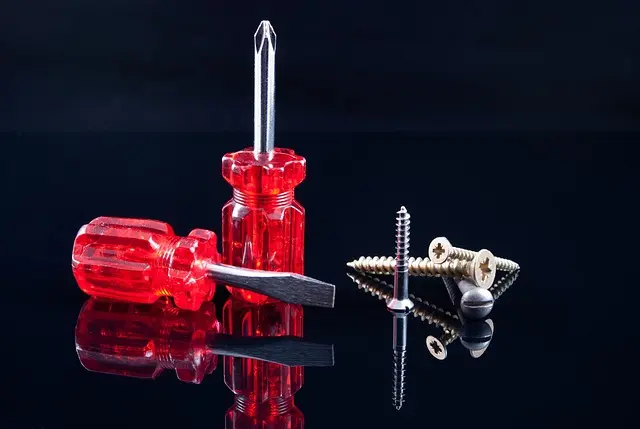
- Screwdrivers (flathead and Phillips)
- Pliers
- Electrical tape
- Wire strippers
- Safety goggles and gloves
Safety is paramount. Always turn off the power at the circuit breaker before beginning any repair tasks. Use a voltage tester to double-check that the power is off at the site where you'll be working. This setup will prepare you for safe, effective repairs.
3. Repairing Flickering Lights: Step 3
If you experience flickering lights, it's often due to loose connections or faulty fixtures. Here’s how to repair:
- Turn off the power to the circuit where the flickering occurs.
- Inspect the light fixture for loose connections. Tighten any loose screws.
- Replace the bulb if needed, as sometimes it's simply a burnt-out bulb causing issues.
- If the flickering persists, check the wiring connections within the switch and fixture.
Always remember to secure the fixture safely back in place and restore power gradually to check for improvements.
4. Dealing with Tripped Circuit Breakers: Step 4
If your circuit breaker keeps tripping, it’s essential to narrow down the cause:
- Unplug all devices connected to the circuit.
- Reset the breaker to restore power.
- Plug in devices one at a time while monitoring the breaker. This will help identify if an overloaded appliance is the cause.
- If the breaker trips again, inspect the wiring for any signs of damage or loose connections.
If the problem continues, it may signify a deeper issue, such as a short circuit, and consulting a professional is advised.
5. Fixing Dead Outlets: Step 5
Dead outlets can be frustrating, but they can often be resolved with a few steps:
- Check the circuit breaker controlling the outlet.
- Use a voltage tester to ensure no power is reaching the outlet.
- If no power is present, check the wiring:
- Remove the outlet cover and screws.
- Inspect the wires for loose connections.
- Secure any loose wires and replace the outlet if necessary.
- Always ensure the outlet is securely reinstalled and tested before reapplying power.
Modern Home Fixes Travel Tableware Set Wheat Straw Camping Cutlery Detachable Dinnerware dark Green
inspireuplift.com

Kadyn - Fabric Home Office Chair with Rocking Backres- Home Office Computer Desk Chair, Small Office Chair - Gray
bestbuy.com

Kadyn - Big & Tall 400lb PU Leather Massage Office Chair- Home Office Computer Desk Chair, Small Office Chair - Black
bestbuy.com
6. Preventative Measures: Step 6
After completing the repairs, there are several measures you can take to prevent future electrical issues:
- Regularly inspect outlets and cords for damage.
- Avoid overloading circuits by spreading electrical devices across multiple outlets.
- Consider installing surge protectors to safeguard against power surges.
- Schedule regular check-ups with a qualified electrician for peace of mind.
By maintaining your electrical system, you can enjoy a safe and effective home environment.
Checklist Before You Start
- [ ] Identify the problem thoroughly.
- [ ] Gather all necessary tools.
- [ ] Ensure safety measures are in place.
- [ ] Document your findings and repairs.
- [ ] Test the system before finishing.
📺 Resource Video
➡️ For more guidance, check out YouTube videos demonstrating common electrical fixes. Search for: "DIY home electrical repairs 2026".
Glossary
| Term | Definition |
|---|---|
| Voltage Tester | A tool used to check the presence of electrical voltage in outlets and circuits. |
| Circuit Breaker | A safety device that automatically cuts off the electricity supply to prevent overload. |
| Short Circuit | A fault in the circuit that causes excessive current to flow, often leading to tripping. |
---
📺 Pour aller plus loin : DIY home electrical repairs 2026 sur YouTube
Recommended products
Selected by our experts

Hivvago 8 Lbs Compact Mini Twin Tub Washing Spiner Machine for Home and Apartment
shop.simon.com

eKids - Paw Patrol Chase Wired Headphones for Kids, Children’s Headphones for School, Home, or Travel - Blue
bestbuy.com

eKids - IF Bluetooth Headphones for Kids, Wireless Headphones for School, Home, or Travel - Purple
bestbuy.com