
Table of Contents (10 sections)
Tools and Materials Needed
Before diving into the repair, gather the necessary tools and materials. You will need:
- Adjustable wrench
- Phillips and flathead screwdrivers
- Replacement washers or cartridges
- Plumber’s tape
- A small bucket or towel for capturing water
Having everything ready ensures a smooth workflow. According to Bob Vila, using quality tools can prevent further damage Source: Bob Vila.


Identify the Leak
First, determine where the leak is originating. Is it the base, the spout, or the handle?
Begin by carefully inspecting the faucet while it's running. Leaks at the spout often indicate worn washers, while handle leaks suggest issues within the faucet valve. According to the Environmental Protection Agency (EPA), fixing leaks can save thousands of gallons of water annually Source: EPA.
💡 Avis d'expert: Identifying the exact source of the leak halves the repair time and prevents unnecessary dismantling.
Turn Off the Water Supply
Once you've pinpointed the leak, it’s crucial to cut off the water supply. Look under your sink and turn the valve clockwise until it stops. Alternatively, you may need to shut off the main water valve if the sink valve is hard to reach or broken.
Tip: Place a bucket under the pipes to catch any trapped water. This step is vital in avoiding water spills that could lead to slip hazards.
Remove the Faucet Handle
To access the inner parts, you must remove the faucet handle. Usually, this involves unscrewing the decorative cap to reveal a screw that secures the handle.
A common mistake is to use excessive force, which might damage the faucet. Work steadily — some handles require a gentle pull after unscrewing. According to This Old House, patience and precision in this step preserve the integrity of your faucet Source: This Old House.
Replace Worn Parts
Now that you have access, inspect the components for wear. The common culprits are washers and O-rings, which tend to degrade over time. Depending on the faucet type, you may also need to replace cartridges.
Compare the worn parts with new ones to ensure a perfect fit. Remember to wrap threads with plumber's tape to ensure a tight seal, preventing future leaks.
Common pitfall: Neglecting to clean sediment buildup can lead to lingering issues. Ensure all parts are free from debris before reassembly.

Reassemble and Test
Reattach the handle and turn on the water supply. Test the faucet by turning it on and off several times to ensure no leaks persist.
Pro Tip: Watch for any hissing sounds which might indicate a faulty seal. Also, ensure the handle’s movement feels smooth, indicating correct installation.
🧠 Quiz rapide: How often should you check your faucets for leaks?
- A) Weekly
- B) Monthly
- C) Annually
Réponse: B — Monthly inspections can prevent major leaks and save water.
Conclusion
By following these steps, you can effectively fix a leaky faucet, saving both water and money. This DIY approach not only enhances your home improvement skills but also contributes positively to environmental conservation.
Glossary
| Term | Definition |
|---|---|
| Washer | A disc that provides a seal to prevent water flow when the faucet is off |
| Cartridge | A valve component that regulates water flow in faucets |
Checklist
- [ ] Gather all necessary tools and materials
- [ ] Identify the source of the leak
- [ ] Turn off the water supply
- [ ] Safely remove faucet handle
- [ ] Replace worn parts
- [ ] Reassemble and test
Call to Action: If you found this guide helpful, share your DIY success story with us in the comments!
Recommended products
Selected by our experts


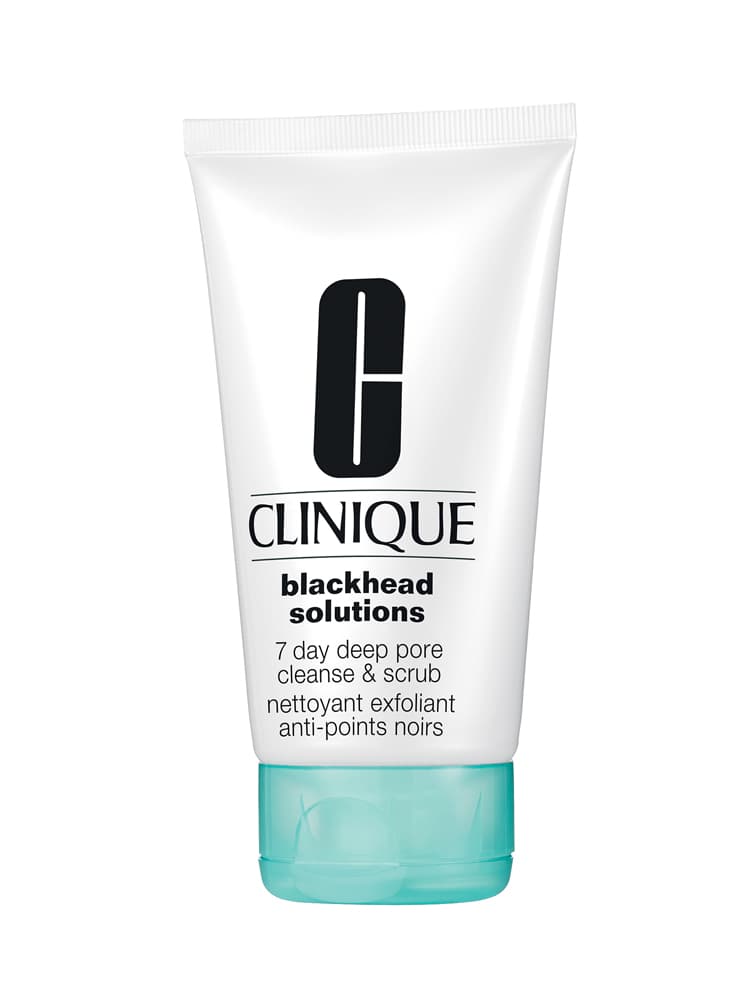
Clinique Blackhead Solutions Nettoyant Exfoliant Anti-Points Noirs 125 ml
Clinique

Clinique Anti-Blemish Solutions Masque Purifiant Anti-Brillance Formule Soin.o.soin 100 ml
Clinique

Clinique Anti-Blemish Solutions Lotion Clarifiante Formule Soin.o.soin. 200 ml
Clinique

Clinique Anti-Blemish Solutions Mousse Nettoyante Formule Soin.o.soin 125 ml
Clinique