Table of Contents (17 sections)
What Is Drywall?
Drywall, also known as gypsum board or plasterboard, is a building material used extensively in the construction of interior walls and ceilings. It's composed of a core of gypsum plaster sandwiched between two sheets of thick paper. Drywall is favored for its fire-resistant properties and ease of installation, making it a popular choice for both new builds and renovations. Understanding your drywall composition can help you make informed decisions about repairs. Failure to tackle drywall issues in a timely manner can lead to larger repair needs and increased costs down the line. Rounding up accurate information and good practices will empower you as a DIY home fix enthusiast.
What You Will Need
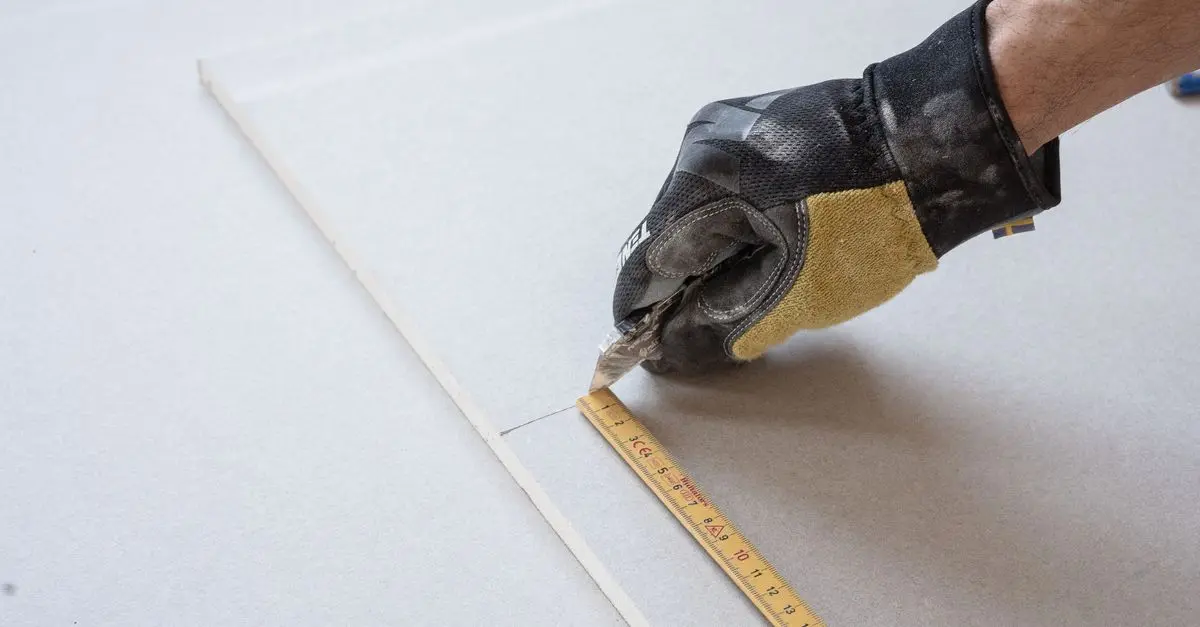
Before embarking on your drywall repair project, gather all necessary tools and materials. Essential tools include a utility knife, drywall saw, tape measure, and a drywall trowel. Additionally, you will need joint compound, drywall tape, sandpaper, a dust mask, and safety goggles to protect yourself during the project. Lastly, it’s advisable to have a vacuum or broom on hand for cleanup. Having the right tools not only ensures efficiency but also guarantees a smoother repair process with excellent final results.

Maillot de bain maternité réversible 1 pièce coques fixes - multicolore Cache Coeur Maillot de Bain
3 Suisses FR

Maillot de bain de grossesse 1 pièce à coques fixes Violet Cache-Coeur Maillot de bain
3 Suisses FR
Maillot de bain de grossesse 1 pièce à coques fixes Violet Cache-Coeur Maillot de bain
3 Suisses FR
Step 1: Assess the Damage
Start by examining the extent of the damage to your drywall. Check if it's a small dent, a hole, or significant water damage. For small holes (less than 1/2 inch), a patching compound will suffice, while larger holes may require a patch. Determine the type and size of the damage to gauge the necessary steps for repair. Make notes on the areas needing attention and measure twice. This preliminary assessment helps in plotting your course of action and ensuring you have the right materials prepared.
Step 2: Gather Your Tools
With your damage assessment in hand, it’s time to gather your tools. For this project, you’ll generally need:
- Utility Knife: To cut the drywall and tape.
- Drywall Saw: For creating larger repair holes.
- Putty Knife: To apply joint compound smoothly.
- Sanding Sponge or Sandpaper: For an even finish.
By having all tools organized and within easy reach, you can streamline your repair tasks and minimize disruptions. Ensuring you have high-quality tools also helps mitigate common mistakes and inefficiencies during your DIY home fixes.
Step 3: Prepare the Area
Before initiating repairs, prepare the surrounding environment. Move any furniture away from the work area to avoid damage. You may want to lay down a drop cloth to protect your floors and catch any dust or debris. If there is loose drywall, use your utility knife to scrape away any frayed edges. Ventilation is key; ensure the area is well-ventilated, especially when working with joint compounds. Taking these preparatory steps can significantly impact the ease and speed of your repair efforts.
Step 4: Repair the Drywall
Now that your area is set, it’s time to get down to repair work:
- For small holes, apply a patch with the joint compound directly over the hole.
- For larger holes, cut a piece of drywall the same size as the hole and secure it in place using screws. Apply drywall tape to the seams, then cover with joint compound to seal the edges.
- Allow it to dry according to the package instructions, usually about 24 hours.
Each application should be smooth and even; it's crucial to avoid lumps, which could affect the final look. Follow manufacturer's guidelines for your specific joint compound for optimal results.
Step 5: Sand and Finish
Once the joint compound is dry, proceed to sand the area lightly with fine sandpaper. This will create a smooth finish that's level with the surrounding drywall. Wipe away any dust with a damp cloth afterwards. If necessary, repeat the compound application for deeper holes, and sand again. After achieving a smooth surface, you can paint over the repair to match the existing wall. This final touch is essential, not just for aesthetics but also for the overall durability of the repair.
FAQs on Drywall Repair
Q1: How long does it take for joint compound to dry?
A1: Typically, joint compound takes 24 hours to dry, but this can depend on humidity levels and the thickness of the application.
Q2: Can I paint over unprimed joint compound?
A2: Yes, but it's better to apply a primer first to ensure better adhesion and finish.
Q3: Do I need to tape seams in drywall?
A3: Taping seams helps provide stability to your repair and avoids cracking in the future.
Q4: What can I do to prevent mold on drywall after a repair?
A4: Ensure the area is well-ventilated and use a mold-resistant primer before painting to help prevent mold growth.
Glossary
| Terme | Définition |
|---|---|
| Joint Compound | A mixture used to fill joints in drywall installation for a smooth finish. |
| Drywall Tape | A material used to cover seams between drywall panels. |
| Gypsum Board | The main component of drywall, known for its fire-resistance and soundproofing properties. |
Checklist before Repairing Drywall
- [ ] Assess the damage thoroughly.
- [ ] Gather all necessary tools and materials.
- [ ] Prepare your workspace to avoid damage.
- [ ] Follow step-by-step instructions carefully.
- [ ] Ensure proper ventilation during the process.
💡 Expert Tip: Regular maintenance of your drywall can help you spot small issues before they escalate into larger problems.
🧠 Quick Quiz: What’s the main component of drywall?
- A) Wood
- B) Gypsum
- C) Cardboard
Answer: B — Gypsum is the key ingredient in drywall, providing its fire-resistant nature.
Recommended Products
- [Catalog ID#63123755-4f8c-49db-9cc6-31847f40c97c] - A great utility knife helps in precision cutting.
- [Catalog ID#6224f112-0acf-443d-ba14-74bb4678170f] - Sanding tools ensure a smooth finish.
- [Catalog ID#009b2707-dd56-4dc8-8453-7f20cd380c2e] - Quality joint compound helps create strong repairs.
📺 For more insight: How to Repair Drywall for Beginners, search on YouTube: drywall repair step by step.
📺 Pour aller plus loin : drywall repair step by step sur YouTube
Recommended products
Selected by our experts
Maillot de bain maternité réversible 1 pièce coques fixes - multicolore Cache Coeur Maillot de Bain
3 Suisses FR
Having a quality utility knife is essential for making precise cuts in drywall.
Maillot de bain de grossesse 1 pièce à coques fixes Violet Cache-Coeur Maillot de bain
3 Suisses FR
Sanding tools are crucial for achieving a smooth and professional finish on drywall repairs.
Maillot de bain de grossesse 1 pièce à coques fixes Violet Cache-Coeur Maillot de bain
3 Suisses FR
Using a quality joint compound is critical for creating lasting and strong repairs to drywall.